Our Services: Clinical & Therapeutic
Care Guided by Assessment — not Assumptions
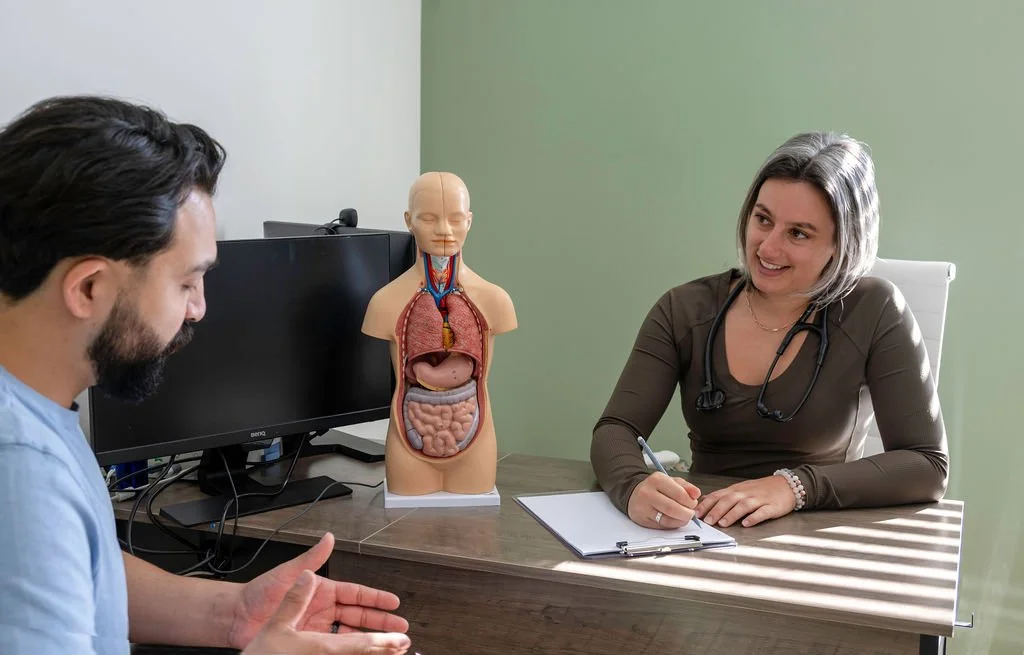
Our clinical and therapeutic services are applied based on how your body is functioning, not as isolated treatments. Each approach supports specific findings identified during assessment.
Clinical & Therapeutic Services
Clinical and therapeutic care at Body Solutions is integrated and intentional. Services are selected to support function, coordination, recovery, and long-term capacity — not to manage symptoms in isolation.
-
What it’s good for
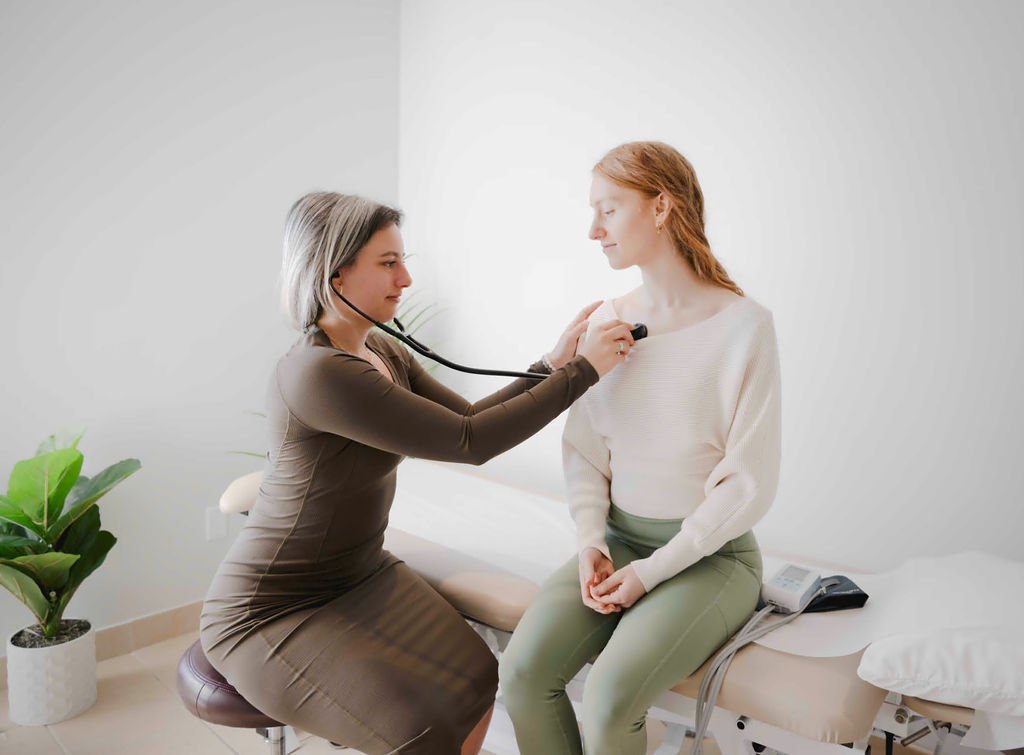
Providing clarity when symptoms are chronic, complex or influenced by multiple systems.Assessment may include a range of diagnostic and clinical modalities selected based on relevance and need. These tools are used to better understand internal function, systemic patterns, and contributing factors.
This may involve:
Physical and functional examinations, including pelvic-focused assessments when appropriate
Conventional laboratory testing such as iron levels, cholesterol, thyroid markers, and hormone profiles
Specialized testing including stool analysis, food sensitivity testing, salivary or urinary hormone testing, and Organic Acids Testing (OAT)
Nutritional and environmental assessment for nutrient deficiencies, heavy metal exposure, and environmental sensitivities
Findings are reviewed in context and used to guide care decisions — not as standalone results.
-
Functional & Neural Therapy focuses on improving how the body’s systems communicate and work together.
Through a combination of hands-on techniques and neurological retraining, this approach supports:
Organ and tissue mobility
Nervous system communication
Coordination between different regions of the brain and body
What this therapy is good for:
Persistent or complex pain patterns (sciatica, carpal tunnel)
Neurological symptoms or dysregulation
Brain fog, fatigue, or coordination issues
Symptoms that don’t respond well to isolated treatments
The aim is to restore processing and cohesion across systems so the body can function more efficiently as a whole.
-
Vestibular Rehabilitation Therapy (VRT) supports balance, vision in motion, and spatial orientation.
This therapy may be used for:
Concussion recovery
Dizziness, nausea or balance concerns
Visual instability during movement
What this therapy is good for:
Dizziness or vertigo
Balance or coordination issues
Post-concussion symptoms
Difficulty stabilizing vision during movement
Assessment and rehabilitation integrate vision, balance, and proprioceptive retraining to restore confidence and functional stability.
-
Physiotherapy focuses on restoring movement quality, strength, coordination, and physical resilience.
Care is guided by assessment findings and may support:
Injury recovery
Chronic pain management
Postural and movement retraining
Post-operative rehabilitation
Nerve entrapment concerns
Scar tissue and fascial restriction
Joint and spinal mobility limitations
Long-term physical capacity
What this therapy is good for:
Acute or chronic injuries
Post-operative recovery and scar tissue release
Nerve entrapment or compression-related symptoms
Joint and spine mobilization needs
Fascial restriction or movement limitation
Pain related to movement or posture
Reduced strength, stability, or mobility
Returning safely to daily activity or sport
-
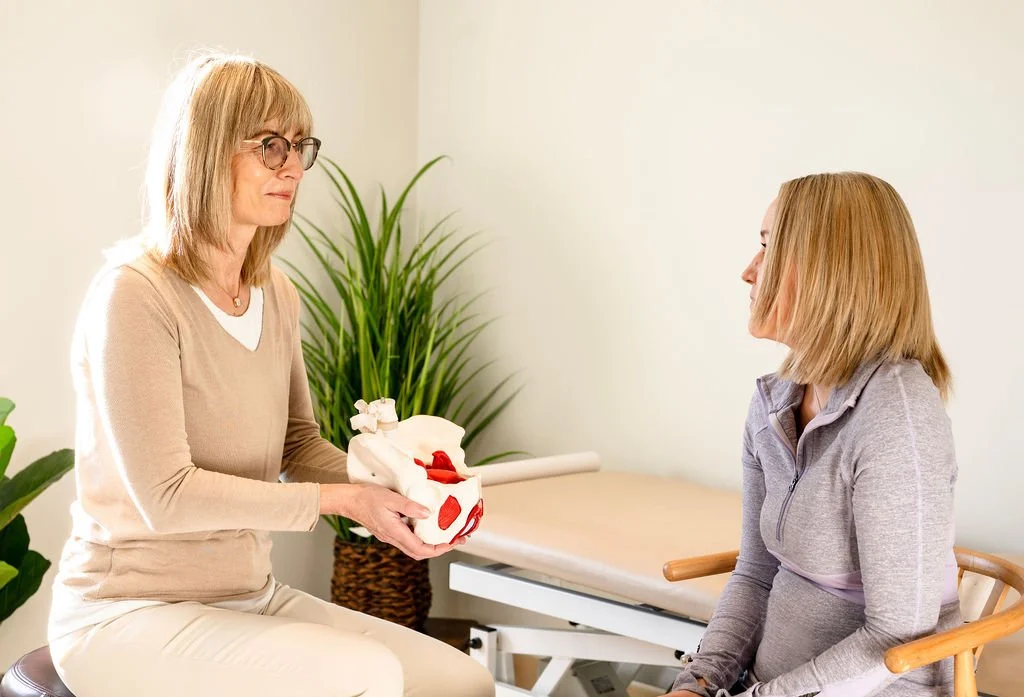
Pelvic health physiotherapy addresses pelvic floor function across all stages of life — for women, men, and children.
This may include support for:
Fertility and pre-conception health
Pregnancy and post-partum recovery
Prostate-related concerns
Pediatric bladder concerns, including bedwetting
Pelvic pain, pressure, or dysfunction
Unexplained hip or low back pain linked to pelvic mechanics
What this therapy is good for:
Pelvic pain or discomfort
Bladder or bowel symptoms
Pregnancy, post-partum, or prostate-related support
Pediatric pelvic floor coordination concerns
Core and pelvic floor dysfunction contributing to hip or low back pain
Care is coordinated with OB/GYNs, midwives, family physicians, or other providers when appropriate.
-
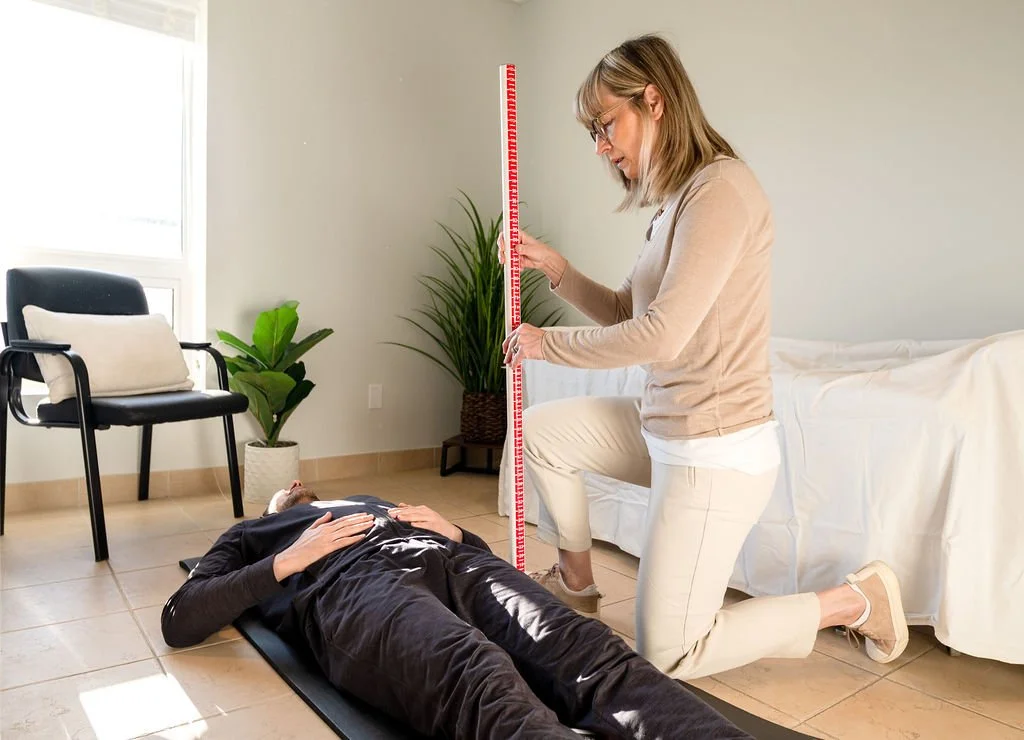
Functional Movement Therapy focuses on how the body moves as a connected structure.
Assessment may explore:
Fascial chains
Joint mechanics
Organ mobility
Neuromuscular patterns
What this therapy is good for:
Movement inefficiencies or compensation patterns
Recurrent injuries and unexplained pain
Loss of mobility or coordination
Supporting long-term movement resilience
This approach supports long-term mobility by identifying and addressing compensations before they lead to injury or breakdown.
-
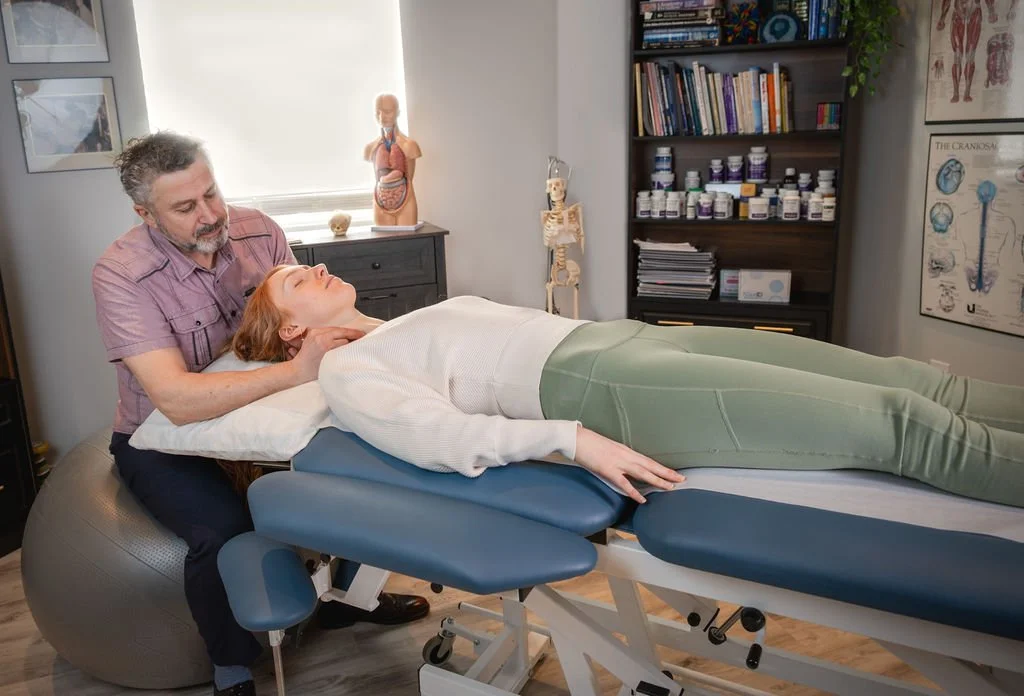
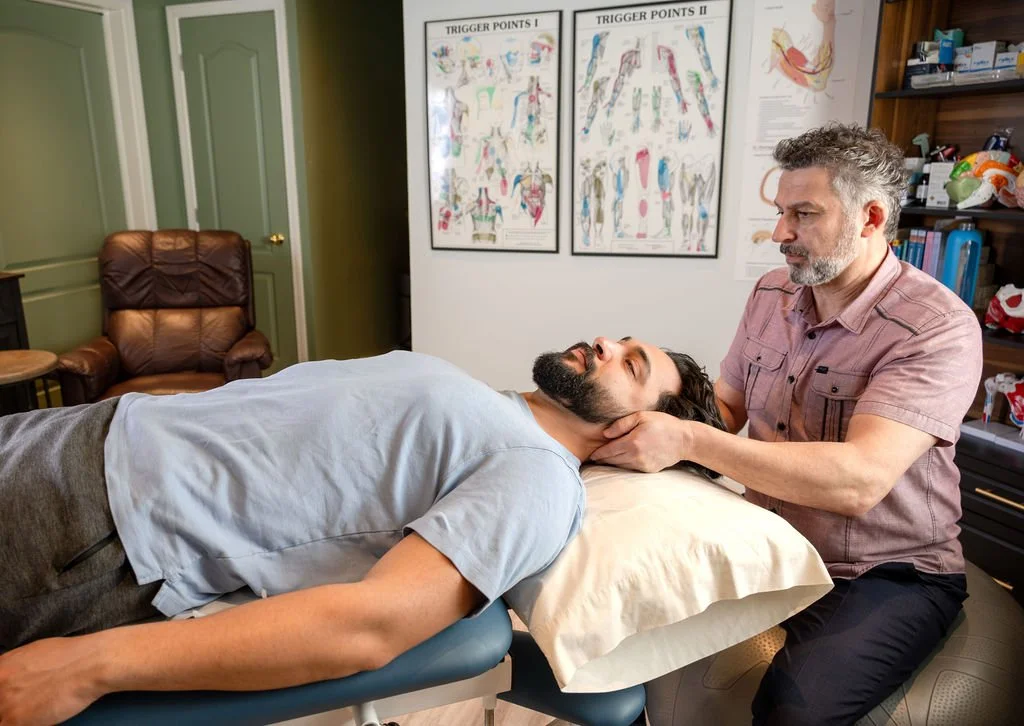
Manual therapy uses precise, hands-on techniques to support joint mobility, soft tissue health, neural mobility, and internal tissue dynamics.
In addition to addressing muscles and joints, this approach may include gentle techniques that support the mobility of cranial structures, neural tissues, and the subtle movement of brain and surrounding connective tissues. The aim is to reduce restriction, improve circulation and nerve communication, and restore more balanced mechanical function throughout the body.
It may be used to:
Address movement restrictions
Improve range of motion
Support scar and fascial mobility
Improve neural glide and reduce tension patterns
Support cranial and brain-related tissue mobility when indicated
What this therapy is good for:
Joint stiffness or mobility limitations
Muscle tension and soft tissue restriction
Neural tension or irritation patterns
Headaches or cranial tension patterns
Mechanical pain patterns
Supporting recovery alongside active rehabilitation
Manual therapy is applied based on assessment findings and integrated with other services as needed.
-
Acupuncture supports the body’s communication and regulation systems by stimulating specific points on the skin.
It may be used to:
Reduce pain sensitivity
Improve circulation
Support organ function
Shift the body out of prolonged stress states
What this therapy is good for:
Pain and inflammation
Stress-related symptoms
Muscle tension and nerve irritation
Supporting healing and nervous system regulation
In physiotherapy-based acupuncture, it may also be used to release tight muscles, calm overactive nerves, and support movement recovery.
-
Red Light Therapy, also known as photobiomodulation (PBM), uses red and near-infrared light to support cellular function.
This therapy may be used to:
Support brain cell energy production (ATP)
Improve blood flow
Reduce inflammation
Gut health
Support clarity, focus, and recovery
Provide gentle stimulation to support vagus nerve regulation when indicated
Vagus nerve stimulation using light-based technology may be incorporated to help support autonomic nervous system balance, particularly in cases involving stress dysregulation, brain fog, or recovery challenges.
What this therapy is good for:
Brain fog or cognitive fatigue
Concussion or post-concussion recovery
Inflammation-related symptoms
Nervous system dysregulation
Supporting tissue and neurological recovery
Gut health
Red light therapy is incorporated as a supportive modality when appropriate, rather than used as a standalone solution.