

A Function-First Approach To Care
Our Clinical Framework
Care is guided by how the body functions as a whole, not by isolated symptoms or predetermined protocols.
How This Approach Works in Practice
We begin with assessment to understand how key systems are working together — including neurological control, movement patterns, organs, nutrition, sleep, and stress response. This provides the context needed to make clear, informed decisions about where care will be most effective.
Our approach is designed to bridge traditional healthcare and natural, supportive therapies. Clinical assessment guides decision-making, and care plans may draw from both conventional and integrative strategies, depending on what the body requires. This approach reflects a simple principle that guides our work:
Test. Don’t guess.
The aim is not ongoing treatment for its own sake, but structured care that builds capacity, improves function, and supports long-term independence.
What We Assess
Assessment is guided by the understanding that health is influenced by multiple, interconnected systems. Rather than isolating one area or symptom, we look at how key pillars of health work together — and how strain or imbalance in one area can affect others.
A whole-body view of health
While every assessment is individualized, this process commonly considers six core pillars*:
How we think, process stress, and regulate emotions has one of the strongest impacts on physical health. This pillar considers mental load, stress patterns, and nervous system regulation, which can influence recovery, inflammation, and resilience.

Psycho-emotional health
Nutrition is assessed in the context of how the body processes and responds to what is consumed. This may include dietary patterns alongside factors related to digestion, absorption, and individual variation, helping clarify what supports or strains overall function.

Nutrition and gut function
Physical function and movement
Movement is essential for maintaining strength, coordination, and adaptability. Assessment looks at how the body moves and stabilizes during daily activities, supporting functional capacity rather than isolated performance.

Sleep quality and sleep hygiene play a central role in restoration and regulation. Assessment looks at sleep patterns and recovery capacity, as these directly affect hormonal balance, tissue repair, and the body’s ability to adapt to stress.

Sleep quality and recovery
Organ function and internal mechanics
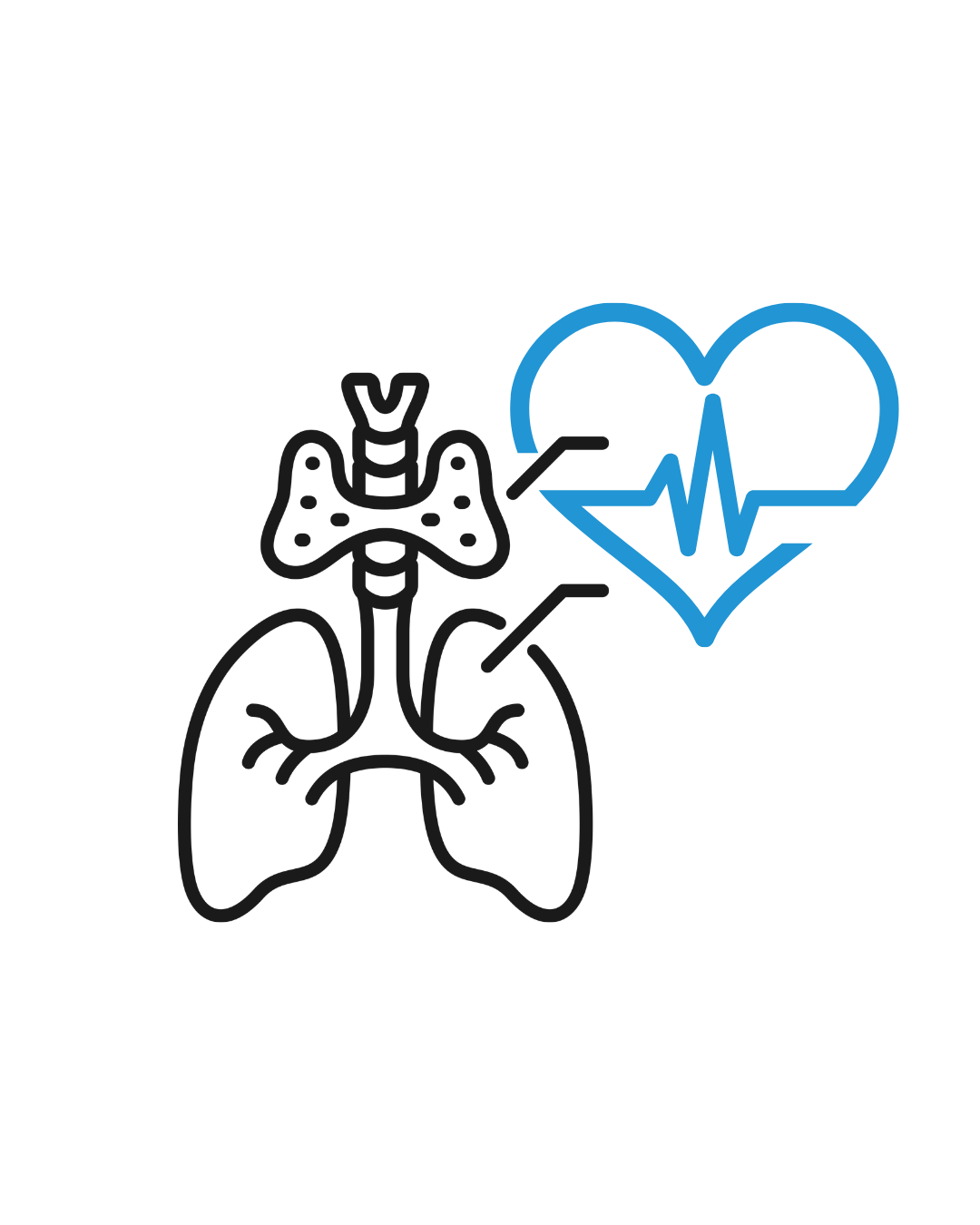
The body relies on effective internal movement and coordination. This pillar considers how organs, breathing mechanics, circulation, nerve signaling, and internal pressures contribute to overall function. Restrictions or inefficiencies here can influence multiple other areas.
Environmental and lifestyle factors
The environment we live and work in affects health in measurable ways. This includes relationships, daily routines, work demands, time outdoors, device use, and other external influences that can impact stress, recovery, and overall function.

*These pillars are not viewed in isolation. Assessment helps identify how they interact, where compensations may be occurring, and which areas are most relevant to address first. Not every pillar requires intervention for every client. Assessment determines relevance, priority, and the most effective path forward.
Assessment at Body Solutions is not one-size-fits-all. Clients may begin with different levels of assessment depending on their needs, goals, and where they are in their health journey.
Different entry points, the same clinical framework
Assessment Options
Comprehensive Assessment
Designed to build a detailed picture of how multiple systems are functioning together. This assessment may include a combination of functional movement and neurological screening, nutritional and gut-based testing (such as GutID), genetic considerations, bio-resonance assessment, and Vestibular-Ocular Motor Screening. These tools help identify patterns, interactions, and areas of strain that may not be visible through symptoms alone.
Focused Assessment
Addresses a specific concern or functional limitation while still operating within the same whole-body framework. This option allows for targeted evaluation without committing to a full systems-level review.